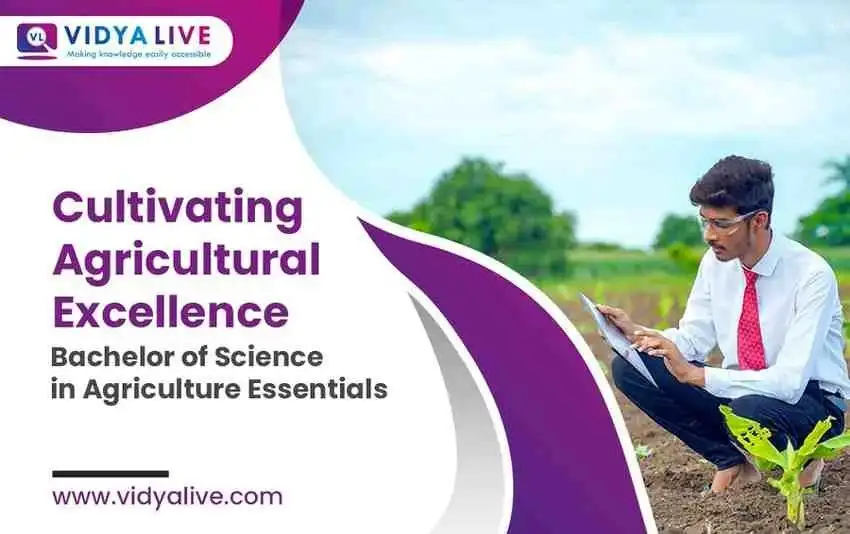
The Bachelor of Science in Agriculture (BSc Ag) program is a comprehensive academic journey that equips students with the knowledge and skills to excel in the field of agriculture. In this blog, we’ll explore the essential aspects of this online BSc agriculture course, highlighting its significance in the agricultural sector, career opportunities, and industry demand.
Online BSc Agriculture Course Duration & Eligibility
The BSc agriculture course typically spans four years, combining theoretical coursework, practical training, and fieldwork to provide students with a holistic understanding of agricultural practices and principles. Many universities now also offer an online BSc agriculture course for students seeking flexible learning opportunities.
Students interested in BSc Hons Agriculture programs usually need to complete their 10+2 education with Science subjects from a recognized board.
Understanding the Online BSc Agriculture Course
Agricultural science encompasses a wide range of disciplines aimed at improving agricultural productivity, sustainability, and environmental stewardship. The BSc agriculture syllabus is designed to provide both technical and practical knowledge required in modern farming and agribusiness sectors.
Here’s an overview of what students can expect to learn in a BSc agriculture course:
Crop Production and Management in BSc Agriculture Syllabus
Students gain insights into crop production techniques, including soil preparation, crop selection, planting, irrigation, fertilization, and pest and disease management. They learn about sustainable farming practices, precision agriculture technologies, and crop rotation strategies to optimize yield and minimize environmental impact.
The BSc agriculture syllabus also includes advanced concepts related to seed technology, organic farming, and smart agriculture systems.
Horticulture and Floriculture in BSc Hons Agriculture
Horticulture focuses on the cultivation of fruits, vegetables, ornamental plants, and flowers. Students study plant physiology, propagation methods, greenhouse management, and post-harvest handling techniques to produce high-quality horticultural crops for commercial and ornamental purposes.
Specializations offered in BSc Hons Agriculture help students build expertise in horticulture, floriculture, and sustainable crop production.
Soil Science and Conservation in Online BSc Agriculture
Soil science explores the physical, chemical, and biological properties of soils and their role in supporting plant growth and ecosystem functions. Students learn about soil fertility, nutrient management, soil erosion control, and soil conservation practices to enhance soil health and productivity.
An online BSc agriculture course helps students understand modern soil conservation techniques and eco-friendly agricultural practices.
Agronomy and Agribusiness Management
Agronomy deals with the science of soil management and crop production, covering aspects such as crop physiology, seed technology, weed control, and sustainable farming systems. Students also delve into agribusiness management, marketing strategies, agricultural economics, and rural development initiatives to understand the business side of agriculture.
Students searching for top BSc agriculture colleges often look for institutions offering strong agribusiness and practical training modules.
Livestock Management in BSc Agriculture Course
Livestock management focuses on the care, breeding, nutrition, and health management of farm animals, including cattle, poultry, sheep, and goats. Students learn about animal husbandry practices, disease prevention, breeding techniques, and livestock production systems to ensure the welfare and productivity of livestock.
This subject is an important part of the BSc agriculture syllabus and prepares students for careers in animal husbandry and dairy farming sectors.
BSc Agriculture Fees & Top BSc Agriculture Colleges
The BSc agriculture fees vary depending on the university, course mode, and facilities provided. Government universities generally offer affordable fee structures, while private institutions may charge higher tuition fees.
Students can choose from various reputed BSc agriculture colleges across India that offer quality education, research facilities, and placement support. Popular institutions such as BSc agriculture in BHU are highly preferred among agriculture aspirants due to their academic excellence and strong industry exposure.
Jobs After BSc Agriculture & Career Opportunities
Graduates of the BSc agriculture course are well-equipped for diverse career opportunities in agriculture and allied industries. There are multiple jobs after BSc agriculture in both government and private sectors.
Some common job roles include:
- Agricultural Officer
- Farm Manager
- Crop Consultant
- Agricultural Extension Officer
- Agribusiness Analyst
- Horticulture Specialist
The demand for skilled agriculture professionals is continuously increasing due to advancements in agri-technology and sustainable farming practices.
BSc in Agriculture Salary in India
The BSc in agriculture salary depends on job role, experience, skills, and organization type. Fresh graduates can start with entry-level roles in agribusiness companies, research organizations, and government departments.
Professionals with experience in agronomy, agribusiness, and farm management can achieve attractive salary packages and career growth opportunities in India and abroad.
Why Choose an Online BSc Agriculture Course?
An online BSc agriculture course offers flexibility, accessibility, and industry-relevant learning opportunities for students and working professionals. It enables learners to gain agricultural knowledge while managing other academic or professional commitments.
Many universities now provide online learning support, digital study materials, and virtual practical sessions for agriculture students.
Conclusion
The Bachelor of Science in Agriculture program plays a pivotal role in training the next generation of agricultural professionals and innovators. By providing students with a solid foundation in agricultural science, technology, and management, this degree prepares them to address the challenges and opportunities facing the agricultural sector and contribute to global food security and sustainability.
Whether students are exploring BSc agriculture colleges, understanding the BSc agriculture syllabus, comparing BSc agriculture fees, or searching for the best jobs after BSc agriculture, this course opens the door to rewarding opportunities in the modern agricultural industry.