The fields of Science, Technology, Engineering, and Mathematics (STEM) have historically been male-dominated, with women underrepresented in various STEM disciplines. However, in recent years, there has been a notable shift as more women in Indian universities break stereotypes and pursue careers in STEM education in India.
In this blog, we explore the changing landscape of Women in STEM in India, highlighting the challenges they face and celebrating their achievements in overcoming gender barriers.
Challenging Gender Stereotypes in STEM Education'
Historical Gender Disparities in STEM Fields
Traditionally, societal stereotypes and cultural norms have perpetuated the notion that STEM careers are better suited for men, leading to gender disparities in enrollment and participation. These stereotypes have discouraged many women from pursuing engineering courses, technology education, and science careers in India, contributing to the underrepresentation of women in these fields.
Key Challenges Faced by Women in STEM
- Gender stereotypes in education
- Lack of female representation in STEM
- Limited mentorship opportunities
- Social and cultural barriers
- Unequal career opportunities
Changing Perceptions and Attitudes Towards Women in STEM
Despite entrenched stereotypes, there has been a gradual shift in perceptions and attitudes towards women in engineering, women in technology, and other STEM domains. Increased awareness, advocacy efforts, and initiatives promoting gender equality in higher education have encouraged more women to pursue STEM disciplines and challenge traditional gender roles.
Empowering Women in STEM Fields in India
Promoting STEM Education for Girls
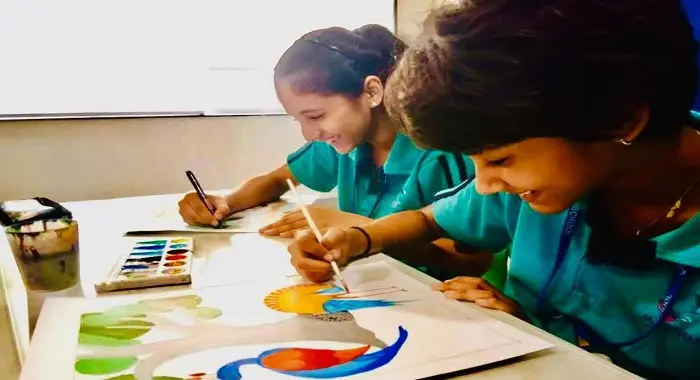
Efforts to promote STEM education for girls from an early age play a crucial role in empowering women in STEM. Encouraging girls to explore STEM subjects, providing mentorship opportunities, and showcasing female role models in STEM can inspire confidence and ignite a passion for scientific inquiry and innovation.
Benefits of STEM Education for Girls
- Better career opportunities
- Higher salary potential
- Increased innovation and creativity
- Leadership development
- Contribution to technological advancement
Supporting Women in Higher Education and Research
In Indian universities, initiatives supporting women in higher education include scholarships, fellowships, and mentorship programs aimed at increasing female representation and retention in STEM disciplines.
Creating inclusive learning environments, fostering peer support networks, and addressing gender bias are essential for ensuring the success of women in science and technology courses.
Challenges Faced by Women in STEM Careers
Addressing Gender Bias and Discrimination
Women in STEM continue to face gender bias in education and workplaces, discrimination, and stereotyping in academic and professional settings. Addressing these challenges requires systemic changes, including:
- Policies promoting gender equity
- Awareness campaigns challenging stereotypes
- Training programs to combat implicit bias
- Equal opportunities in STEM careers
Balancing Work-Life Demands in STEM Careers
Balancing the demands of academia and family responsibilities can be particularly challenging for women pursuing careers in STEM.
Flexible work arrangements, childcare support, and mentorship programs providing guidance on work-life balance for women professionals are essential for retaining women in STEM fields and promoting career advancement.
Celebrating the Achievements of Women in STEM
Recognizing Female Trailblazers in STEM
Despite the obstacles they face, many women in Indian universities have made significant contributions to STEM fields, breaking barriers and inspiring future generations.
Recognizing and celebrating the achievements of successful women scientists, female engineers, and women innovators in India helps:
- Challenge stereotypes
- Foster inclusivity
- Promote diversity in STEM education
- Encourage future generations of women leaders
Conclusion
The increasing presence of women in STEM fields in Indian universities reflects a positive trend toward greater gender diversity and inclusion.
By challenging stereotypes, empowering women through education and support, addressing systemic barriers, and celebrating their achievements, we can create a more equitable and inclusive environment where all individuals, regardless of gender, can thrive in Science, Technology, Engineering, and Mathematics (STEM) disciplines.